



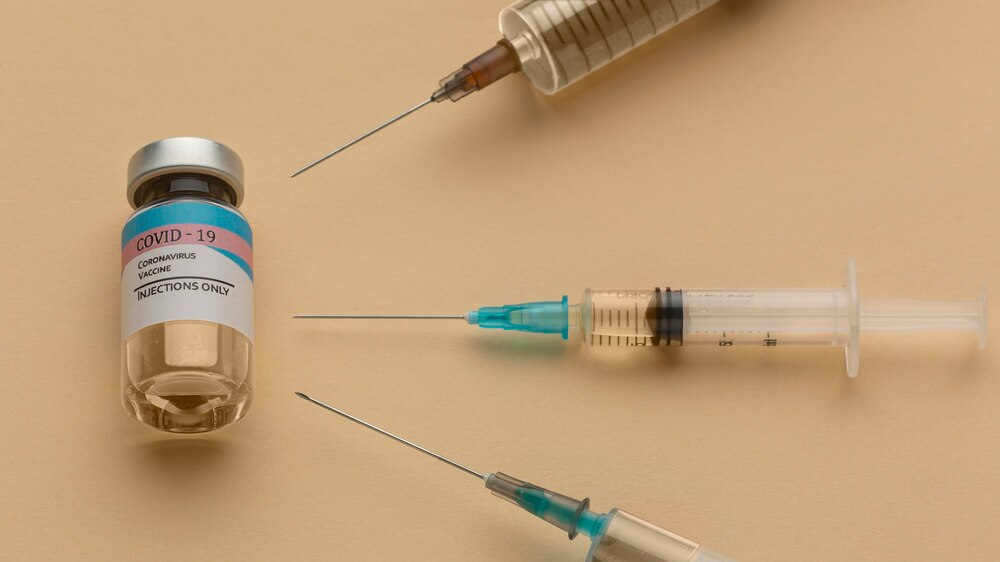
Chikungunya Vaccine Information
Protect against chikungunya
Overview
What is the chikungunya vaccine?
Chikungunya is a mosquito-borne viral infection that can cause fever, joint pain, fatigue and other symptoms. Vaccination aims to stimulate the immune system to reduce the likelihood of symptomatic infection and severe outcomes. Different vaccines may have different schedules and efficacy profiles; regulatory approvals vary by region. Your healthcare provider will advise whether vaccination is appropriate based on your medical history, travel plans, and local recommendations. Vaccines go through clinical trials and safety monitoring before and after approval to ensure benefits outweigh risks.
Eligibility
Who should get vaccinated?
Eligibility for the chikungunya vaccine depends on local guidelines and individual health factors. Priority groups may include people at higher risk of exposure or severe disease, such as frequent travellers to high-transmission areas, certain occupational groups, or those with underlying health conditions. Pregnant or immunocompromised individuals should seek personalised advice. Your clinician or pharmacist can review your records, discuss benefits and potential risks, and advise on the most appropriate timing for vaccination relative to other immunisations or treatments.
Frequently Asked Questions
Answers to commonly asked questions about the chikungunya vaccine.
What is chikungunya?
A viral illness spread by infected mosquitoes causing fever and joint pain.
Is the vaccine safe?
Vaccines undergo clinical testing and ongoing safety monitoring; most people experience only mild reactions.
How many doses are required?
Dose schedules vary by product; check with your provider for the correct regimen.
What are common side effects?
Typical reactions include soreness at the injection site, fatigue and mild fever for a day or two.
Where can I get vaccinated?
Ask your pharmacist, GP or local vaccination service for availability and booking information.
Key points
Benefits and Considerations
Vaccination can provide meaningful protection against chikungunya and help reduce the burden of disease in communities. Benefits include decreased likelihood of symptomatic infection and shorter illness duration in some cases. Considerations include the specific vaccine schedule, potential short-term side effects, and individual health factors such as allergies or immunosuppression. Healthcare providers will assess suitability and provide guidance on timing, particularly if you are pregnant, have chronic conditions, or are taking medications that affect the immune system.
Reduces risk of severe illness
Stimulates protective immune response
May require follow-up dose
Not suitable for all patients

Safety
Monitors and reporting systems ensure safety
Efficacy
Shown to reduce symptomatic infection in trials
Access
Appointments at clinics and pharmacies
Before your appointment
Preparing for vaccination
Bring your immunisation record, a list of current medications and any relevant medical information. Inform staff of allergies, pregnancy, or immunosuppressive treatments. Wear clothing that allows easy access to your upper arm. Allow time after vaccination for observation if advised by staff. Plan for minor side effects and arrange support if needed for the following day.
Key Considerations
Before vaccination, it is important to review your medical history and any allergies with a healthcare professional. Keep an accurate immunisation record and report any adverse reactions after vaccination so they can be monitored and managed. Vaccination complements other measures such as mosquito bite prevention; it does not replace the need for personal protection. Discuss timing with your provider if you are pregnant, planning travel, or have underlying health conditions that could affect vaccination decisions.
Discuss allergies with clinician
Bring immunisation record
Report side effects promptly
Continue mosquito precautions
Effectiveness
Vaccine effectiveness and duration
Clinical studies assess vaccine effectiveness by measuring how well vaccinated individuals are protected from infection and disease compared with unvaccinated groups. Effectiveness may vary by age, health status and the specific vaccine used. Ongoing post-licensure surveillance continues to evaluate long-term protection and rare adverse events. Your healthcare provider can explain the expected benefits in your situation and advise on follow-up doses or booster recommendations as evidence and official guidance evolve.

Practical advice
Consultation and follow-up
Consultation with a clinician ensures the vaccine is appropriate for you and allows discussion of timing, possible interactions with other medications, and what to expect after immunisation. Follow-up advice may include when to return for additional doses if required and how to manage common reactions. Clear communication helps maintain safety monitoring and ensures any unusual symptoms are investigated promptly.
Personal health assessment matters
Schedule according to guidance
Expect mild local reactions
Report concerns to provider